by Brian Shilhavy
Health Impact News
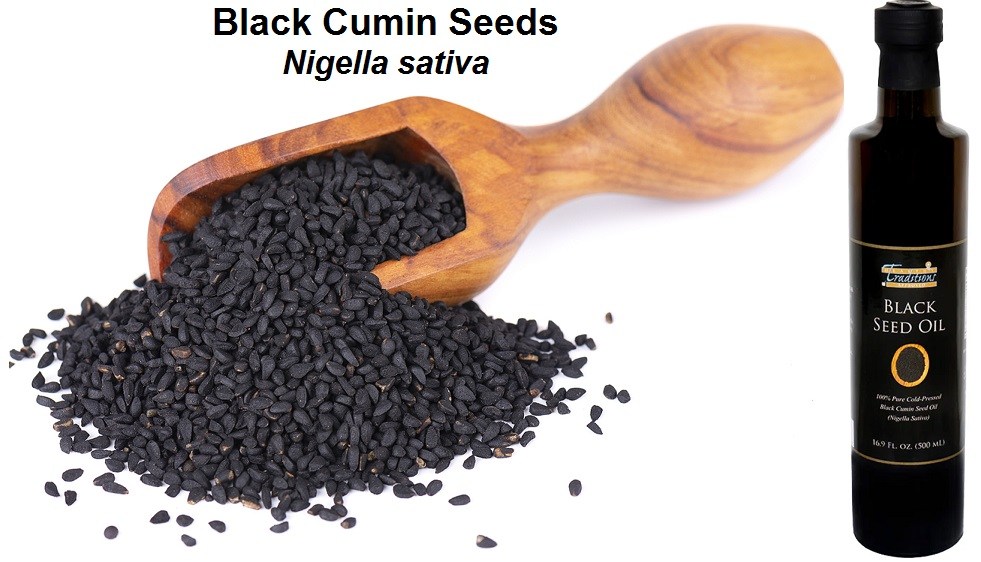
Black cumin seeds and black seed oil from those seeds is a phenom in nature that has been studied for hundreds of years due to its health properties.
It’s Latin name is Nigella sativa, and a search in PubMed [1] will result in over 2500 articles published.
Nigella sativa is known by various other names such as: black caraway, fennel flower, nutmeg flower, Roman coriander, kaljeera, habbat al-barakah, among others.
Relatively unknown in the U.S. until recent times, it has a long history of use in the Middle East.
References to black cumin seeds date back thousands of years. It is mentioned in the Bible in the book of Isaiah, in chapter 28, verses 25 and 27.
Black cumin seeds were found in the tomb of Egyptian Pharaoh Tutankhamun, who ruled Egypt from 1333 BC to 1324 BC, and they were found in a pilgrim flask in Turkey from the ancient Hittite empire, dating from around 1650 BC.
The Islamic prophet is reported to have stated that black cumin seeds are “the remedy for all diseases but death.”
A search for “black seeds” on Health Impact News will return over 90 articles [2] we have published over the years. Here are a few:
Black Seed Oil Cures Many Cancers According to Numerous Studies [3]
Study: Black Seed Oil Relieves Pain Associated with Arthritis [4]
New Research: Black Seed Oil Effective in Treating Alzheimer’s and Ischemia Organ Damage [5]
Research: Black Seed Oil Protects Pancreas Damage from Diabetes – Helps Heal Wounds [6]
Study: Black Seed Oil Helps Parkinson’s – Can be Used for Anti-depressant and Anti-anxiety Treatment [7]
The research continues on this amazing, natural product that cannot be patented, and was created by God.
Here are some recent studies on black seeds published in peer-reviewed journals here in 2026.
Nigella sativa Seed Oil Antibacterial and Antibiofilm Activity against Escherichia coli O157H7 Shiga Toxin-2
Journal of Oleo Science, 2026 Volume 75 Issue 5 Pages 627-639
Abstract
Shiga toxin type 2 (Stx2)-producing Escherichia coli O157H7 has become a global risk to public health. The study aimed to investigate the emergence of antimicrobial resistance patterns in the clinical isolates of E. coli.
The isolates revealed a pattern of strong resistance to the majority of the common antibiotics.
Most E. coli isolates were susceptible to gentamicin and were classified as MDR. The Stx2 determinant was screened in E. coli O157:H7 isolates through the PCR technique, and the Stx2 was purified by cation exchange and gel filtration chromatography. The purification yielded 5.2 milligrams of pure Stx2.
Nigella sativa oil’s obtained by the mechanical expression of seeds at room temperature was evaluated for its antibacterial activity against 16 E. coli O157:H7 isolates at different concentrations. The oil induced inhibition zone diameter of 9.83, 16.71, and 27.48 mm at the concentration of 16, 32, and 64 μg/mL, respectively.
Minimum inhibitory concentration (MIC) of N. sativa seed oil (NSSO) and gentamicin-treated biofilm-forming different isolates ranged from 64-502 and 32-256 μg/mL, respectively. Optical density (O.D.) and viable counts showed significant differences before and after the treatment with sub-MIC.
The injections of Stx2 caused microangiopathy in mice, including hemolytic anemia, thrombocytopenia, and renal impairment. The Stx2 also caused microvascular thrombosis and other histologic damage in the kidney, spleen, and liver, as well as a significant reduction in the splenic size of the infected mice.
The results showed that the variance in the values of the complete blood count, as well as histopathological alteration in the spleen, occurred in mice treated with Nigella sativa oil, which was improved compared with the control.
This study is the first report on NSSO exhibiting inhibitory activity on E. coli and its Shiga toxin, which can also inhibit virulence in E. coli, thereby suggesting it as an alternative for therapy.
Source [8]. Free Full Article [9].
Network Pharmacology Integrated Molecular Docking Analysis Identifies Potential Bioactive Compounds in Nigella sativa Against Polycystic Ovary Syndrome
Chemistry & Biodiversity, 24 April 2026
Abstract
Polycystic ovarian syndrome (PCOS) is a complex endocrine disorder affecting 8%-13% of women of reproductive age. Although Nigella sativa (NS) has been traditionally used for PCOS management, its molecular mechanisms are not fully characterized.
This study employed network pharmacology, molecular docking, and molecular dynamics (MD) simulations to identify the key targets and pathways associated with NS bioactives.
Venn analysis identified 53 common genes shared between NS-derived phytochemicals and PCOS-associated targets. KEGG and Reactome enrichment revealed 15 significantly enriched pathways (p < 0.05), including ovarian steroidogenesis, insulin resistance, androgen signaling, and inflammatory pathways.
Five critical PCOS-related proteins (CYP19A1, CYP11A1, AR, ESR1, and HSD17B1) were selected for docking with major NS phytochemicals. Docking revealed strong binding affinities, with thymoquinone showing the highest binding scores of -8.2 kcal/mol (CYP11A1), -7.6 kcal/mol (CYP19A1), and -7.1 kcal/mol (AR). MD simulation-based flexibility analysis showed that the CYP11A1-thymoquinone complex exhibited higher residue mobility, with RMSF values indicating greater flexibility in the ligand-interacting regions compared to other complexes.
These findings suggest that NS exerts therapeutic potential in PCOS through multi-target modulation of steroidogenic enzymes and hormonal pathways, providing a molecular foundation for future experimental validation.
Source [10].
The alteration of brain function in overweight/obese individuals and the neurological benefit of thymoquinone: uncovering molecular mechanisms
Metabolic Brain Disease, 2026 Apr 1
Abstract
Overweight and obesity are complicated metabolic disorders associated with negative impacts on the brain and its function, including cognitive and memory abilities.
Herbal medicines are plant-based bioactive compounds produced by plants. Natural food components with antioxidant activity show promise as alternative treatments for a number of illnesses, including brain diseases.
Thymoquinone (TQ) is the main bioactive constituent of essential oils produced from Nigella sativa seeds. TQ possesses numerous biological and pharmacological activities, including antioxidant, anti-inflammatory, antihyperglycemic, and immunomodulatory effects, with neuroprotective effects against various neurodegenerative diseases and pathological conditions of the brain.
Several studies have investigated the pharmacological activities of TQ; however, its neuroprotective molecular signaling pathways have not been fully described, and several issues remain to be clarified.
The current review summarizes the most recent information related to the important molecular signaling pathways by which TQ protects brain function, particularly in overweight/obese individuals.
In conclusion, TQ improved the activity of antioxidant enzymes, maintained redox equilibrium and decreased neuroinflammation and apoptosis via various signaling pathways.
Numerous proteins, including nuclear factor erythroid 2–related factor 2 (Nrf2), nuclear factor kappa B (NF-κB), toll-like receptor 4 (TLR4), and mitogen-activated protein kinase (MAPK), are crucial for the TQ signaling pathway to prevent brain problems.
Although these proteins represent a novel treatment approach, there are still issues with their clinical applicability in various diseases. Researchers should perform further research to determine the additional activity of TQ for the development of clear strategies for the prevention and treatment of brain dysfunction.
Source [11]. Free Full Study [12].
Nigella sativa and Its Bioactive Compound Thymoquinone in Burn Therapy: Mechanisms, Efficacy, and Safety
Journal of Burn Care and Research, 2026 May 5
Abstract
Introduction: Burn injuries represent a worldwide public health concern. Nigella sativa (NS), a herbal medicinal plant, widely used in Ayurveda, Unani, and Siddha holds potential to address this issue. This review evaluated the potential of NS extract and its key component, Thymoquinone (TQ), in accelerating burn wound healing, focusing on their mechanisms, safety, and efficacy.
Methods: Studies were retrieved from PubMed, Google Scholar, and ScienceDirect using keywords “Nigella sativa,” “Thymoquinone,” “burns,” and “wound healing.” Reports were screened for suitability, and the scientific name was verified on www.worldfloraonline.org.
Results: NS extract and TQ accelerate burn wound healing in vitro and in vivo through various mechanisms involving anti-inflammatory, anti-oxidative, anti-microbial, and tissue regenerative effects. TQ achieved 91.35% wound closure in NIH/3T3 cells and wound closure rate of 2.35% ± 0.05% in 3T3-CCL92 cells. It also reduced oxidative stress and inflammation in murine burn models. Nanoformulations of TQ showed higher safety (LD50: 300-2000 mg/kg) than pure TQ (LD50: 50-300 mg/kg). A Phase I trial confirmed the safety of black cumin oil (5% TQ) at 200 mg/day for 90 days in healthy adults.
Conclusion: Formulations based on NS extract and TQ can manage burn injuries and be extrapolated into clinical settings.
Source [13].
ATR-FTIR spectroscopy combined with chemometrics reveals molecular alterations and anticancer effects of Nigella sativa extract in human colon cancer cells
Scientific Reports, 2026 Jan 16
Abstract
Colorectal cancer remains the second leading cause of cancer-related mortality worldwide, with current therapeutic approaches often demonstrating limited efficacy.
Nigella sativa L. (NS) seeds, historically valued for their medicinal properties, exhibit promising anticancer potential.
This study investigates the molecular effects of NS methanolic extract on CaCo-2 human colon cancer cells, focusing on cellular composition, dynamics, and segregation patterns.
Unsupervised chemometric analyses, including principal component and hierarchical cluster analyses, demonstrated a complete separation between control and NS-treated cells, indicating significant molecular divergence, further validated by supervised classification methods.
Spectral analysis revealed reductions in unsaturated lipids, proteins, glucose, and DNA levels, along with a shortening of fatty acid acyl chain length. In contrast, saturated lipid and triglyceride content increased, accompanied by enhanced membrane fluidity and lipid disorder, indicating substantial alterations in cellular lipid dynamics and acyl chain flexibility.
Furthermore, oxidative stress markers were elevated, as evidenced by increased protein carbonylation, while protein phosphorylation levels declined. NS treatment also induced protein conformational changes, notably an increase in aggregated β-sheet structures, suggesting protein denaturation.
These biochemical modifications were strongly associated with NS-enhanced reactive oxygen species (ROS) levels.
Overall, this study elucidates the molecular mechanisms underlying the anticancer effects of NS, supporting its potential as an adjunctive therapeutic strategy for colorectal cancer.
Source. [14] Free Full Text [15].
Disclaimer: I do sell Black Cumin Seed oil from Turkey in my online store [16], and I do make a profit if you buy it from me.
I take no profits from my writings on Health Impact News. Health Impact News has over 9000 articles published, all free of charge.
Comment on this article at HealthImpactNews.com [17].
This article was written by Human Superior Intelligence (HSI) [18]
[18]
 [19]
[19]
 [20]
[20]
See Also:
Understand the Times We are Currently Living Through
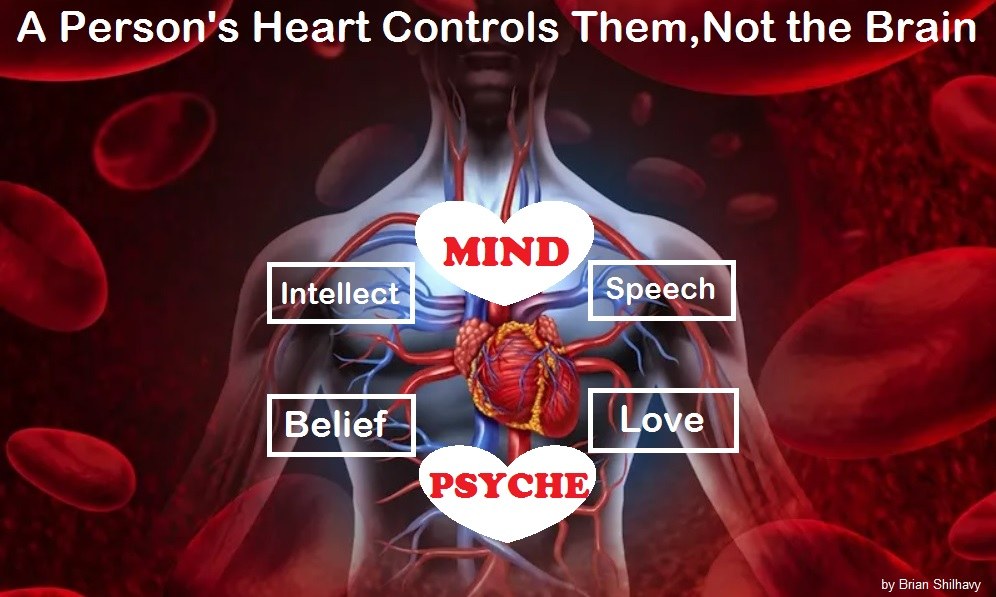
The Brain Myth: Your Intellect and Thoughts Originate in Your Heart, Not Your Brain [21]
 [21]
[21]
Is God’s Patience About to Run Out on the United States? [22]
 [22]
[22]
Second Edition of eBook Released: The Concept of the American Christian Family is a Myth and is NOT Found Anywhere in the Bible – by Brian Shilhavy [23]
 [23]
[23]
FREE eBook! Restoring the Foundation of New Testament Faith in Jesus Christ – by Brian Shilhavy [24]
 [24]
[24]
KABBALAH: The Anti-Christ Religion of Satan that Controls the World Today [25]
 [25]
[25]
Exposing the Christian Zionism Cult [26]
 [26]
[26]
The Bewitching of America with the Evil Eye and the Mark of the Beast [27]
 [27]
[27]
Jesus Christ’s Opposition to the Jewish State: Lessons for Today [28]
 [28]
[28]
Identifying the Luciferian Globalists Implementing the New World Order – Who are the “Jews”? [29]
 [29]
[29]
The Seal and Mark of God is Far More Important than the “Mark of the Beast” – Are You Prepared for What’s Coming? [30]
 [30]
[30]
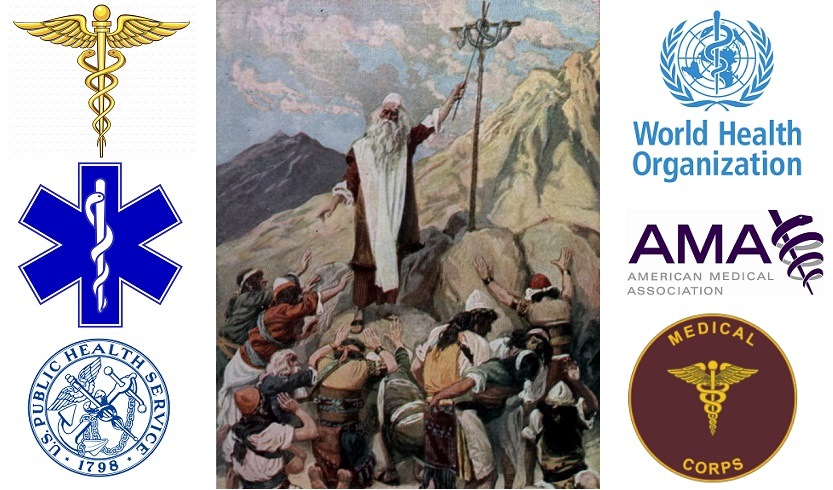
The Satanic Roots to Modern Medicine – The Image of the Beast? [31]
 [31]
[31]
Medicine: Idolatry in the Twenty First Century – 10-Year-Old Article More Relevant Today than the Day it was Written [32]
 [32]
[32]
 [33]
[33]
Having problems receiving our emails? See:
 [34]
[34]
How to Beat Internet Censorship and Create Your Own Newsfeed [34]
We Are Now on Telegram [35]. Video channels at Bitchute [36], and Odysee [37].
If our website is seized and shut down, find us on Telegram [35], as well as Bitchute [36] and Odysee [37] for further instructions about where to find us.
If you use the TOR Onion browser [38], here are the links and corresponding URLs to use in the TOR browser [38] to find us on the Dark Web: Health Impact News [39], Vaccine Impact [40], Medical Kidnap [41], Created4Health [42], CoconutOil.com [43].