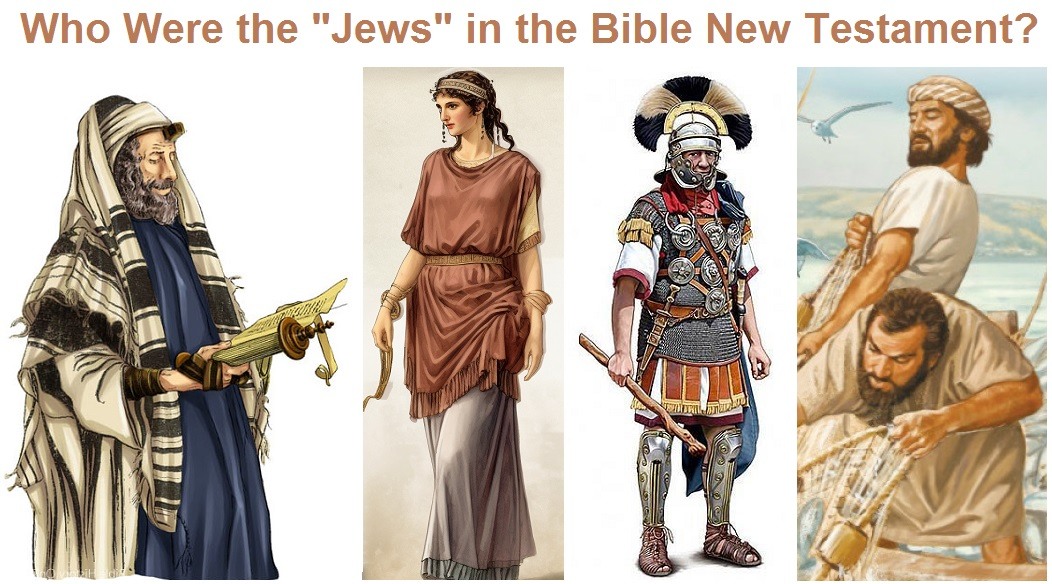
While the question of "who are the Jews" might seem like a purely religious topic that has no significance in a person's daily life, especially if one does not consider themselves "religious", the fact is that this topic affects everyone alive today, whether they are "religious" or not.
Today wars are being fought around the world and millions of people are being murdered because of the way certain people define who the Jews are.
And just for the record, I will restate what I have previously published many times in the past, which is that I am not a Christian, and I do not belong to any religious group at all.
In June of 2021, I wrote and published my first deep dive into this question of "who are the Jews", and that article is probably a good place to start in understanding this topic: "Identifying the Luciferian Globalists Implementing the New World Order – Who are the “Jews”?"
This article will provide supplementary information on the topic that was not included in that first article, which, as I wrote back then, was merely an "Introduction" to this topic, as it is a very exhaustive topic that too many people and too many groups try to simplify down into their own biases, for their own purposes and agendas.
My only "agenda" here, since I am not a member of any of these religious groups and have no "skin in the game", is to simply expose the Truth, and accurately represent what the Bible really says on this topic.
This article is based on the book of Acts in the New Testament portion of the Bible, which I have been studying for the past few weeks. Acts traces the history of the Jewish believers just after the death and resurrection of Jesus Christ, and teaches us so much about who the true "believers" were, and how the term "Jew" was understood, both positively and negatively.
Once you understand these truths which are so clearly defined in the New Testament, you will be able to see what the true essence is of "the Gospel," the "Good News", which Peter, himself an ethnic Jew, a devout religious Jew, and one of the key leaders of the new movement in Jerusalem referred to as a "sect" of the Jewish faith called "The Way", stated:
"I now realize how true it is that God does not show favoritism but accepts men from every nation who fear him and do what is right." (Acts 10:34-35)